The Saturday shift at a Perth hotel bar tells you plenty about the machines on the floor. You will see club pokies humming beside the pokies running in a licensed casino down the road, and on paper they look similar enough to confuse anyone who has not watched the maths behind them. The truth is the two environments run on different commercial logic, and that logic shapes everything from hold percentages to how often a free spin actually lands. If you are trying to work out where your bankroll behaves more predictably, you need to look past the cabinet art and listen to the reel stops.
The maths behind the cabinet
The first thing most people miss is that club pokies and casino pokies are often built to different return targets, even when the same provider supplies the base game. In a typical Perth licenced venue, a club machine is tuned for a longer session and a steadier, lower-volatility curve so the floor keeps traffic moving through the dining room and the TAB. A casino floor can afford a wider spread of high-variance titles because the surrounding amenities are designed to absorb the swings, and the maths team will usually balance a cluster of hot and cold cabinets rather than tuning every single unit to the same hit frequency. That does not mean one side is rigged and the other is fair; it means the hold targets, the bonus buy thresholds and the way free spins are weighted are calibrated for different business models.
I have sat through enough game math reviews to know that a 96.2 percent RTP on a club pokie and a 96.2 percent RTP on a casino pokie can still feel like two different animals once you factor in bet sizing, max win caps and the frequency of near-miss stop combinations. The casino version often pushes a wider range of stake steps and a more aggressive bonus trigger, while the club version tends to keep the base game readable and the bonus buy optional or absent. If you are the sort of player who likes to track volatility and pick machines that match your session length, that distinction matters more than the cabinet colour or the theme art.
How the two floors actually differ
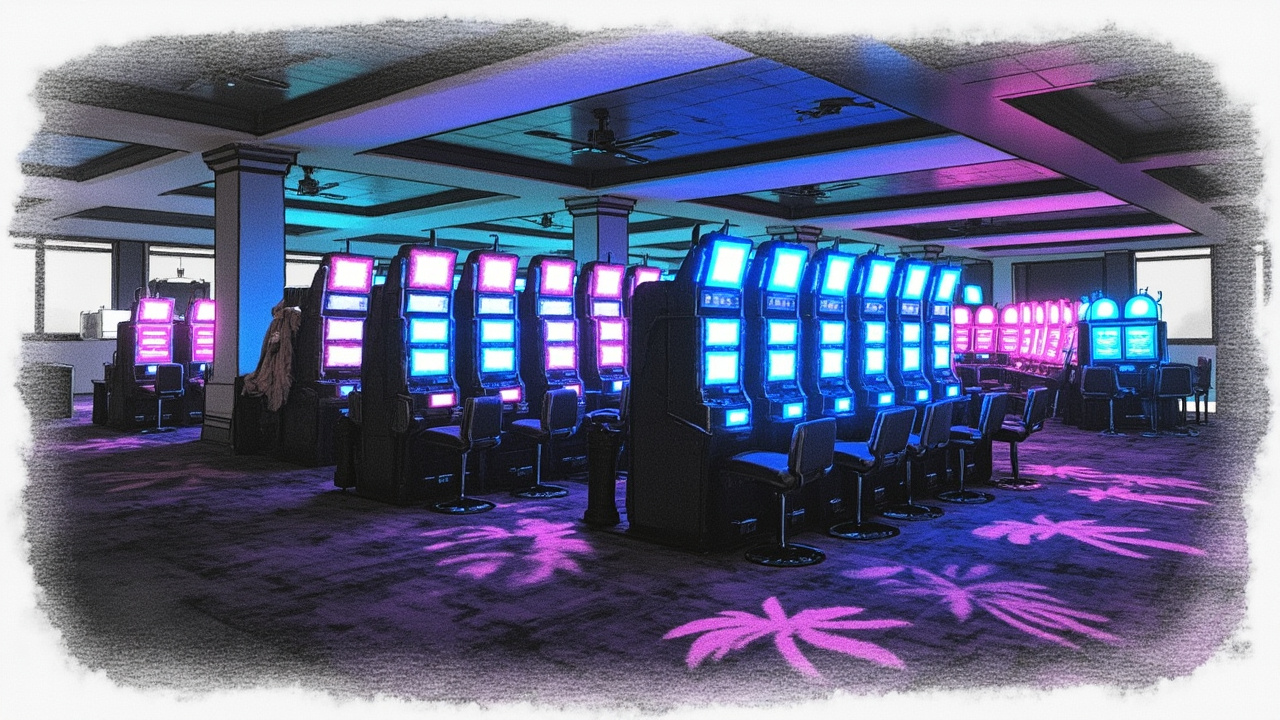
When you walk into a hotel club in WA, the machines are usually clustered around the bar and the dining area, and the floor plan is built to keep people circulating rather than parked at one cabinet for hours. A casino floor is laid out differently: the high-limit rooms, the dedicated pokies lounges and the bonus stages are arranged to support longer dwell time, and the staff are trained to manage a different kind of queue and a different pace of play. That physical difference feeds straight into the game design. Club pokies often run tighter bet ranges and simpler bonus structures so the game stays approachable for a casual arvo session, while casino pokies can carry more elaborate bonus rounds, higher max bets and more frequent tournament-style events that reward repeat visits.
The operators I have spoken to in the past will tell you the club model is about throughput and repeat foot traffic, whereas the casino model is about capturing a higher average handle per visitor over a longer stay. Both sides have a point. The club side argues that a steadier, lower-variance floor keeps the social atmosphere intact and makes the machines feel like part of the venue rather than a separate gambling room. The casino side counters that a richer bonus mix and a wider provider lineup give players more reasons to return, and that the maths can be tuned responsibly without flattening the experience. Neither view is the whole story, but both explain why the same game can play differently depending on where it sits.
Bonus structures, loyalty and repeat play
This is where the review focus really sits, because the ongoing value after any welcome offer is what separates a one-off session from a place you keep coming back to. A club pokie environment usually leans on venue-level loyalty: stamp cards, drink vouchers, dining points and occasional themed nights that keep the floor busy without turning the machines into a standalone bonus factory. The rewards are real but they are tied to the venue’s broader hospitality model, so the loyalty loop is slower and more social. A casino pokie environment tends to run a more structured loyalty and VIP ladder, with recurring promos, cashback windows, tournament leaderboards and repeat-play reasons that are built directly around the gaming floor rather than the restaurant next door.
The key detail for anyone comparing club pokies vs casino pokies is that the bonus mechanics are not just about the first deposit or the first free spin round. The recurring promos, the cashback frequency, the way loyalty tiers unlock access to certain cabinets or tournament entries, and the regularity of repeat-play events all shape how the maths feels over a month of sessions. A casino floor can offer a denser calendar of tournaments and tiered rewards, but that density also means you need to read the terms carefully, because the same venue that runs a generous cashback window can also run a tournament with a tighter prize pool distribution. A club floor may feel quieter on the promo front, but the rewards are often simpler to track and less dependent on chasing a leaderboard. If you are the sort of player who values recurring reasons to return rather than a single welcome splash, that difference is worth weighing before you pick a side.
Payments, registration and practicalities
On the practical side, the two environments also differ in how you get in, how you pay and how the support loop works. A club pokie session is usually tied to the venue’s own registration and membership setup, with cash or venue-issued play handled through the bar or the machines themselves, and support routed through venue staff who know the floor but not necessarily the game math. A casino pokie session typically runs through a more formal registration process, a broader range of payment and currency options, and a dedicated support structure that can handle game-specific queries as well as account and bonus questions. Mobile access is more relevant in the casino context, where the same provider portfolio may be available through a linked platform, whereas a club floor is mostly a physical-cabinet experience with occasional venue apps for loyalty points.
The currency and licence picture is worth keeping straight. In Australia, the licensed venue model governs where and how these machines operate, and the rules around registration, identification and responsible play are tied to the venue type and the state framework. That means the practical differences are not just about convenience; they are about how the floor is supervised, how bonuses are documented and how disputes are handled when a free spin round or a cashback window does not land the way you expected. If you want a cleaner paper trail and a more structured support path, the casino setup usually delivers that. If you prefer a simpler, more social environment where the machines sit inside a broader venue experience, the club setup has its own appeal. Either way, the registration and payment details should be read carefully before you commit to a session.
| Feature | Club pokies | Casino pokies |
|---|---|---|
| Typical floor layout | Around bar and dining, circulation-focused | Dedicated pokies lounges and high-limit rooms |
| Bonus style | Venue loyalty, drink and dining perks, occasional themed nights | Recurring promos, cashback windows, tournaments, tiered VIP |
| Provider range | Narrower, steadier base-game focus | Wider, more high-variance and bonus-heavy titles |
| Registration | Venue membership or on-the-day sign-in | Formal account setup with game-specific support |
| Support route | Venue staff, hospitality-led | Dedicated gaming support, account and bonus queries |
Where each setup fits best
If you are weighing club pokies vs casino pokies for your own play style, the honest read is that the club floor suits a steadier, more social session where the machines are part of a broader venue experience and the rewards are slower but easier to track. The casino floor suits a player who wants a wider provider lineup, a denser calendar of recurring promos and tournaments, and a more structured support and loyalty path around the gaming itself. Neither setup is automatically the better choice, because the maths, the bonus rhythm and the floor layout all push the experience in different directions. The right call comes down to whether you want a quieter, hospitality-anchored session or a more structured, gaming-led one, and whether you are comfortable reading the terms on the recurring promos before you commit.
For anyone who wants to compare the actual game portfolios and bonus calendars side by side before picking a venue, it helps to read a detailed breakdown that tracks the providers, the RTP ranges and the repeat-play reasons rather than just the theme art, and you can find that kind of read here: https://spinsamuraireviews.com/read. The point is not to chase a miracle session but to match the floor to the way you actually play, because the same reel set can feel entirely different once the bonus structure, the loyalty loop and the venue logic are factored in.